
If you’re in the market for a smartwatch, it’s easy to get lost in specs and marketing. But at the end of the day, the most useful watch is the one that fits your life.
Much of the friction with smartwatches comes from whether the watch integrates seamlessly with your phone. If you own an iPhone, the Apple Watch is undoubtedly the best choice, and we all probably know why.
For Android users, the options are endless, but only a few brands truly offer the best experience for this ecosystem. For instance, Samsung’s watches usually provide a more refined experience, with their own perks layered on top of Google’s Wear OS.
Meanwhile, Google sells its own watches, with their main strength being tighter integration with Google services. Then there are brands like Garmin for fitness enthusiasts and Amazfit for budget-conscious users.
So which smartwatch brands should you opt for? The answer depends on a few factors, but we’ve outlined the main considerations below.
1. The gold standard for iPhone
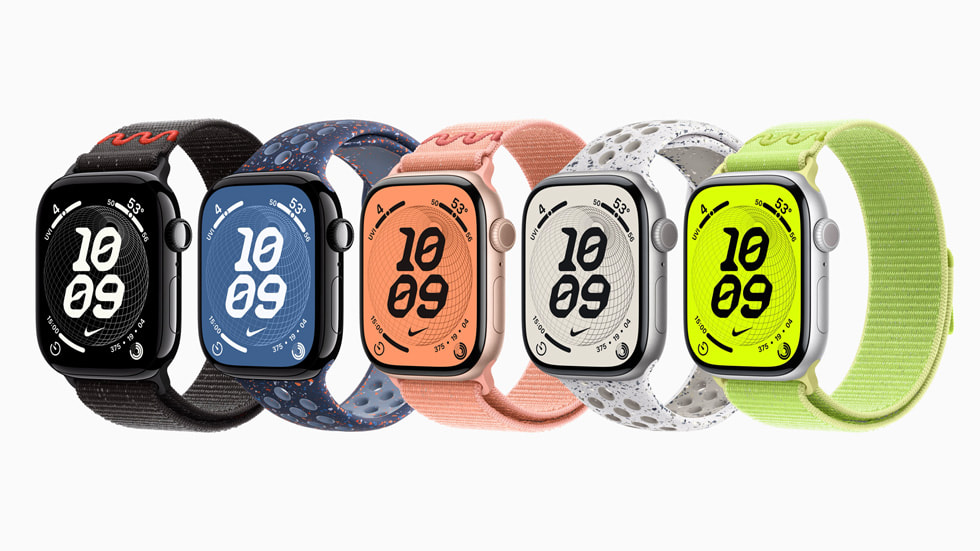
Apple Watch Series 11
It’s almost second nature for iPhone users to say that the Apple Watch pairs like no other smartwatch. That’s because of its tight integration across Apple’s entire ecosystem of devices. You can use your Apple Watch for everything from answering messages to unlocking your MacBook, all seamlessly.
The Apple Watch Series 11 and the Watch Ultra 3 are the company’s most recent wearables, having launched just in September. These devices offer precise health tracking, a sharp OLED display, and apps that feel like they were built for a watch.
The health tracking is solid, too. The heart rate accuracy is dependable, the ECG and blood oxygen sensors are FDA-approved in many regions, and Apple’s software now includes hypertension notification, which can detect signs of high blood pressure and notify you.
The new wearables also offer extended battery life. The Series 11 has a run time of up to 24 hours on normal use, while the Ultra 3 offers up to 42 hours of daily use. Low Power mode increases the run time even further.
Please Note: When you buy something using the links in our articles, we may earn a small commission at no cost to you.
2. Best for Android
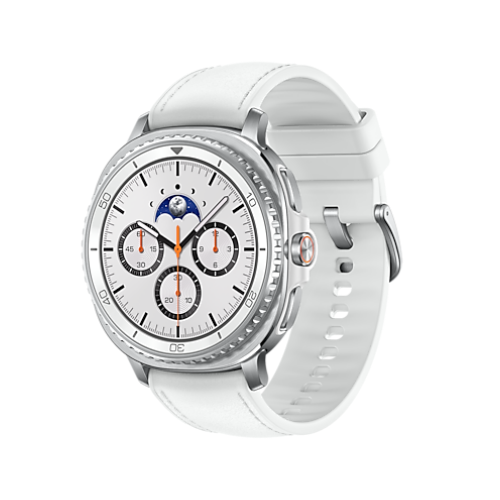
Galaxy Watch 8 Classic
Samsung’s Galaxy Watch series has grown into the strongest rival to the Apple Watch, and for Android users, it’s arguably the best overall pick.
The Galaxy Watch 8 and Galaxy Watch Ultra combine Samsung’s best hardware with Google’s Wear OS. Users get access to Play Store apps, Google Assistant, and seamless integration with Android phones.
If you own a Samsung smartphone, you’ll get extra perks like ECG readings and blood pressure tracking (though those features might not work with non-Samsung phones).
You also get a one-of-a-kind rotating bezel of the latest Watch 8 Classic, which allows for intuitive scrolling and navigation through menus and lists on the smartwatch.
And undoubtedly, the design is premium, the AMOLED displays are crisp and bright, and the battery life lasts around two days on average. Samsung also offers an Apple equivalent level of health and fitness features on the Galaxy watches.
Please Note: When you buy something using the links in our articles, we may earn a small commission at no cost to you.
3. If AI is what you seek
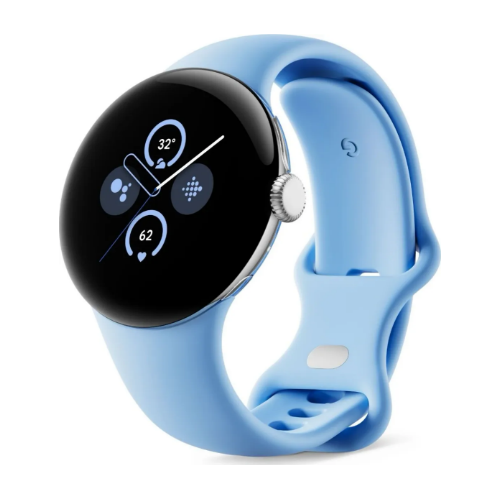
If not Samsung, the Pixel Watch is another great option to pair with your Android smartphone. The latest in the lineup is the Pixel Watch 4.
The smartwatch brings an AI-powered experience with Gemini baked in. You can raise your wrist and ask questions with Gemini, be it to reply to messages or pull info from apps like Gmail and Calendar.
It can also tell you about your hotel bookings, open maps with directions, or curate a Spotify playlist for the ride. Plus, it will be the first watch to get new AI features when Google rolls them out.
The Pixel Watch 4 also includes a supporting co-processor that powers these features without putting much strain on the battery.
The Pixel Watch’s design is another major selling point. It’s minimalist, comfortable, and feels premium thanks to its domed glass face. The latest Pixel Watch 4 comes in two sizes: 41 mm and 45 mm.
If you’re a Pixel user or someone who prefers Google’s clean software aesthetic, the Pixel Watch 4 is a pleasure to use. It feels cohesive in a way that many other smartwatches don’t.
Please Note: When you buy something using the links in our articles, we may earn a small commission at no cost to you.
4. For fitness enthusiasts
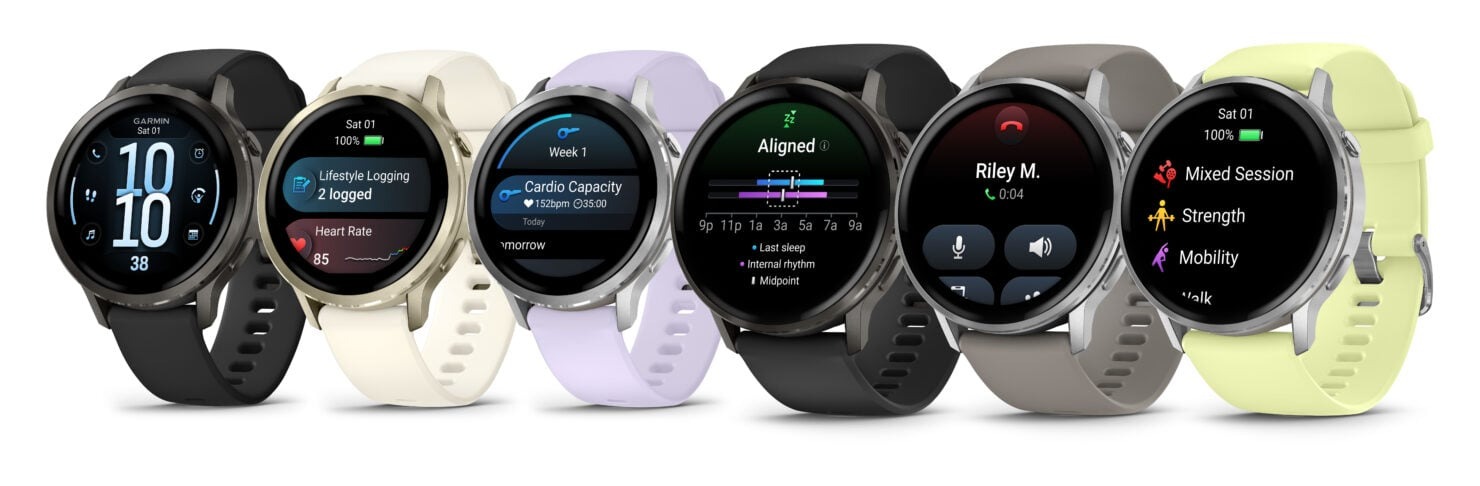
Garmin Venu 4
Garmin watches might not be the prettiest or most “smart” in the traditional sense, but when it comes to fitness and outdoor tracking, they probably offer the best bang for buck.
The company’s lineup includes a range of models from the Forerunner and Venu series to the rugged Fenix and Instinct, which are made for people who actually care about running metrics, VO₂ max, heart rate variability, and GPS accuracy.
Garmin’s strength is its data depth. You don’t just see how far you ran, you see detailed metrics like recovery time, training readiness, and even how your body’s energy levels fluctuate throughout the day.
More important is the battery life they offer. Garmin’s watches in minimum offer at least 4 to 5 days of battery life.
The downside is that Garmin’s watches are not as “smart” as the others. You can get notifications, control music, and use basic apps, but there’s no rich app ecosystem like Google or Apple, as they run on their proprietary OS.
Please Note: When you buy something using the links in our articles, we may earn a small commission at no cost to you.
5. Best all-rounder
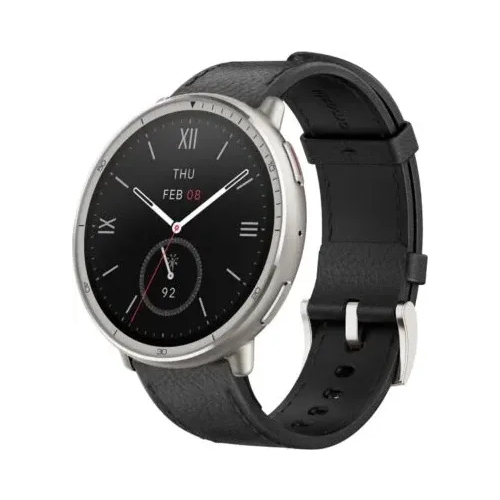
If your budget is moderate and you want the “most features for the money,” Amazfit is often the brand that surprises. The Amazfit Active 2 is frequently praised for how much it offers at its price point.
It offers solid health tracking, a bright display, and a battery life of up to 10 days, all for a price of $100.
However, it’s not an option if you’re looking for broad app ecosystem support like the Apple Watch or Pixel Watch. Like Garmin, the reason is its proprietary Zepp OS.
An in-house system gives the brand full control to optimize the software for its hardware, ensuring smooth performance and efficient battery use. But it also means fewer third-party apps, limited integrations, and a software experience that can feel more closed off compared with watches running Wear OS or watchOS.
Still, if you want to test what a smartwatch can do without spending “top tier” money, Amazfit gives you a lot of runway.
Please Note: When you buy something using the links in our articles, we may earn a small commission at no cost to you.
For more daily updates, please visit our News Section.
Stay ahead in tech! Join our Telegram community and sign up for our daily newsletter of top stories! 💡
Trending Products

Google Pixel 4a with 5G

Google Pixel 3a

UMIDIGI F3 8+128 Cell Phone

New Total Wireless Prepaid – ...

Google Pixel 7a – Unlocked An...

OnePlus 13R CPH2647 North America 2...

Samsung Galaxy A36 5G A Series Cell...

SAMSUNG Galaxy A71 5G Unlocked 128G...

Nokia Unlocked Smartphone,US Versio...
